Hearing Aids: What They Cost, What Quality Means, and How to Choose
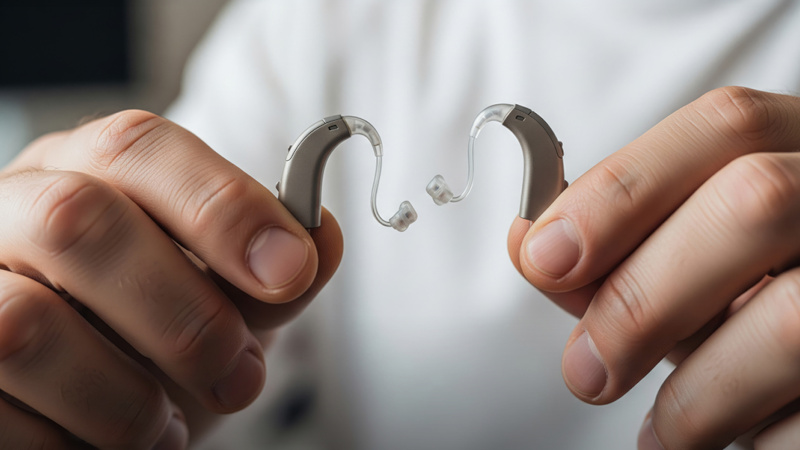
Hearing aids are an investment in your health, your relationships, and your quality of life.
Prices vary widely, and so does quality, which can make it hard to know where to start. Our audiology team hears the same questions every week, so we’ve answered the most common ones below.
How much do hearing aids cost?
Prescription hearing aids usually cost a few thousand dollars per pair; this type of hearing aid is fitted and programmed by a licensed hearing care professional, such as an audiologist. Over-the-counter (OTC) devices, which the FDA has allowed since 2022 for adults with perceived mild to moderate hearing loss, can cost a few hundred dollars; this type of hearing aid is completely self-fitted.
The price of a prescription hearing aid depends on the technology level and which professional services, such as fitting, adjustments, and follow-up care, come with the purchase. OTC devices typically don’t include professional services, so support is usually limited to what the manufacturer offers by phone, app, or online.
A lower sticker price doesn’t always mean better value. What matters most is how well the device fits your hearing loss, your ears, and your daily life.
Are hearing aids covered by insurance in Kansas?
For most adults, not yet. Here is where things stand:
- Traditional Medicare does not cover hearing aids, though it may cover a diagnostic hearing exam. Many Medicare Advantage plans include a third-party hearing aid benefit or discount through a third-party provider, so coverage and out-of-pocket costs vary by plan.
- KanCare (Kansas Medicaid) may cover hearing aids and related audiology services for eligible members. Coverage rules and approval requirements apply, so check with your plan.
- Employer plans and supplemental policies vary widely. Some offer a discount or an allowance, and some offer nothing.
- As of October 2026, Kansas law does not require private health insurance plans to cover hearing aids. Whether your plan covers them depends on your specific policy, so please check your benefits.
- Kansas lawmakers have considered legislation to require insurers to cover hearing aids, but nothing has been enacted yet. Check with your insurance plan or our team for the most current information.
Our tip: call your insurance company before your appointment and ask specifically about “hearing aid benefits,” not just “hearing coverage.” Hearing aid benefits can be confusing, so our team will help you check your benefits and clarify what’s covered during your hearing aid evaluation. You can usually use money in a Health Savings Account (HSA) or Flexible Spending Account (FSA) for hearing aids too.
Why buy hearing aids from an audiologist instead of a big box store?
Big box stores and OTC options have made hearing aids easier to get, but a hearing aid is only as good as its fitting, counseling and follow-up care. Here is what you get from an audiologist at Head & Neck Surgery of Kansas City:
- A full diagnostic evaluation. Hearing loss can be caused by earwax, infection, fluid or other medical conditions. As an ENT and audiology practice, our audiologists work alongside our physicians so that medical causes of hearing loss are identified and treated appropriately.
- Custom programming. Audiologists program your devices to your exact hearing test results and verify the fit to make sure you’re getting the right amount of amplification. This verification may include real-ear measurement, a test that uses a tiny microphone in the ear canal to confirm the sound reaching your eardrum is correct. Devices that aren’t fitted this way are often under- or over-amplified.
- Brand and technology choices. Big box stores often carry a limited or store-branded selection. Typically, they offer hearing aids with limited functionality compared to what we can offer. We recommend devices based on your hearing, your lifestyle, and your budget.
- Ongoing care. Adjustments, cleanings, repairs, and follow-up testing are part of an ongoing relationship, not a one-time sale.
- Treatment of your whole ear health. We can address tinnitus, balance problems, and changes in your hearing over time in one place.
Many people who say “hearing aids didn’t work for me” were never properly fitted or followed up with. The right care makes a real difference.
How do I factor in maintenance and repair costs?
When comparing options, think about the total cost over the four to five years most hearing aids last:
- Batteries or charging: Disposable batteries are an ongoing expense. Rechargeable models eliminate the need to replace batteries. Simply place the hearing aids in a charger each night, and they’re ready to go in the morning.
- Supplies: Wax guards, domes, tubing, and cleaning tools need regular replacement. Some cleaning and maintenance can be done at home, and our team will provide the supplies necessary to keep your hearing aids working.
- Warranty: Ask how long the repair warranty lasts (often one to three years) and whether it includes loss and damage coverage. Find out what repairs cost after the warranty ends.
- Follow-up visits: Some providers bundle adjustments and cleanings into the purchase price, while others charge per visit.
- Replacement: Plan for new devices every few years as technology improves and your hearing aids experience regular wear and tear that leads to hardware issues.
- A slightly higher price that includes several years of service, a strong warranty, and loss coverage can cost less in the long run than a cheaper device with everything charged separately.
What questions should I ask my audiologist about cost and quality?
Asking good questions will help you choose with confidence. We encourage our patients to ask:
- What type and degree of hearing loss do I have, and which technology level do I need?
- What exactly does the price include (fitting, devices, follow-up visits, cleanings, supplies)?
- Is the price bundled or unbundled? Can I pay for services separately?
- How long is the warranty, and does it cover loss and damage? What happens after it ends?
- Is there an adjustment period, and what is the return policy?
- How will you verify that my hearing aids are programmed correctly, and is real-ear measurement available at this location?
- Are rechargeable models an option, and how long does the battery last?
- Will these devices connect to my phone, TV, or other devices?
- How often should I come in for adjustments and hearing checks?
- Do you accept my insurance, and do you offer financing or payment plans?
A good audiologist will welcome these questions and give you clear, written answers. Services and equipment may vary by location, so please contact your preferred office to ask what’s available.
What’s the bottom line?
The best hearing aid fits your hearing loss, your lifestyle, and your budget, and comes with the professional care to keep it working well for years. Cost matters, but so does the quality of the fitting and the support after the sale.
Ready to take the next step? Schedule a hearing evaluation with our audiology team at Head & Neck Surgery of Kansas City. We’ll help you understand your hearing, your options, and your costs, with no pressure and no guesswork.
Topics
Your Health, Our Priority
Contact us today to schedule a visit with our ENT or audiology specialists.